Craftmanship in a changing Industry.
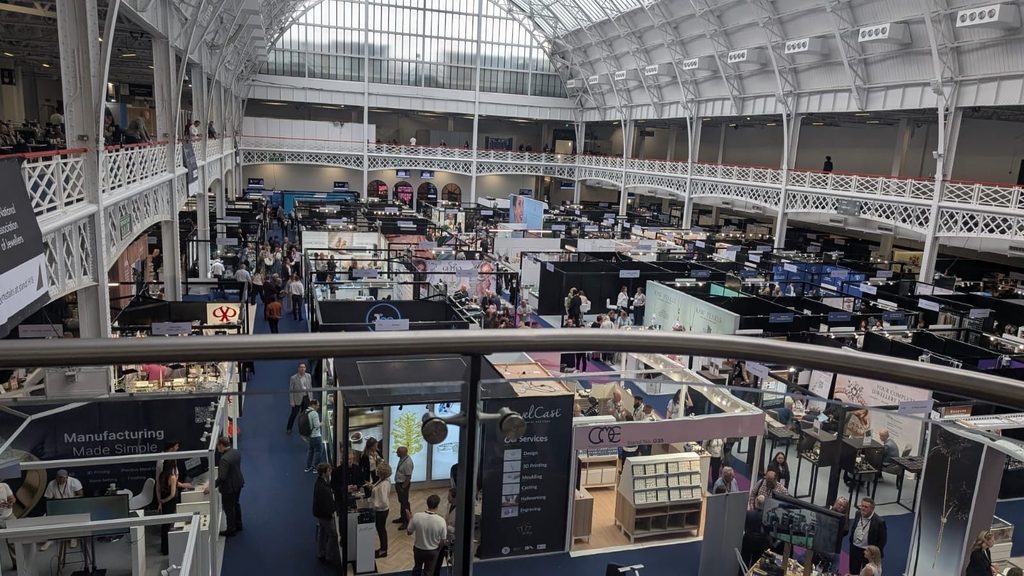
I recently spent the day at The Jewellery Show in London, and one of the best parts of it was simply being surrounded by people who understand jewellery.
There was a great atmosphere, and I particularly enjoyed talking to fellow jewellers, makers and artisans. There is something very different about an industry-to-industry event: conversations move quickly beyond the finished piece into gemstones, techniques, making, setting, sourcing and all the small details that only people working within jewellery tend to notice.
For a small independent jeweller, having those conversations is incredibly valuable.
An industry changing quickly
One thing that really struck me this year was just how much of the industry is moving towards CAD and casting.
These techniques have an important place in modern jewellery making and allow designs to be created that would be difficult to achieve in other ways. But walking around the show, I also found myself thinking about what can be lost when the same process becomes the default for almost everything.
Engagement rings were a particularly noticeable example.
So many are now designed through CAD and cast with extraordinary precision. Technically, they can be immaculate. But when everything becomes perfectly symmetrical, perfectly repeated and perfectly finished, I sometimes feel that something disappears.
The little decisions made by a jeweller at the bench — the proportions, the way a setting meets a stone, a slight softness in a line, the final hand finishing — are part of what gives jewellery character.
For me, perfection and beauty are not always the same thing.
Jewellery should still feel made
This is something I think about a lot with Berg Jewellery.
I want a piece to feel considered and beautifully finished, but I also want it to retain the character of something that has been made by a person.
That distinction feels increasingly important as technology becomes more capable.
CAD can be a tool. Casting can be a tool. What matters is what happens around those processes: the eye of the maker, the choice of stone, the proportions, the setting and the hand finishing that ultimately determine how a piece feels.
Technology should give us more freedom to make interesting jewellery. It shouldn’t mean everything begins to look the same.
And then there’s AI
AI was another subject that seemed impossible to ignore.
It is already changing the jewellery industry — from the way ideas are developed and visualised to photography, marketing and the way customers discover brands.
And it is moving incredibly quickly.
There are exciting possibilities in that, but it also raises interesting questions for an industry built around physical materials and traditional skills.
A beautiful image can now be created in seconds. A jewellery concept can appear almost instantly on a screen. But neither of those things is the same as understanding how a gemstone behaves, how much metal a setting needs, how a ring feels on the hand or how to finish a piece beautifully.
The more digital the world becomes, the more I think genuine craftsmanship will matter.
The part I enjoyed most
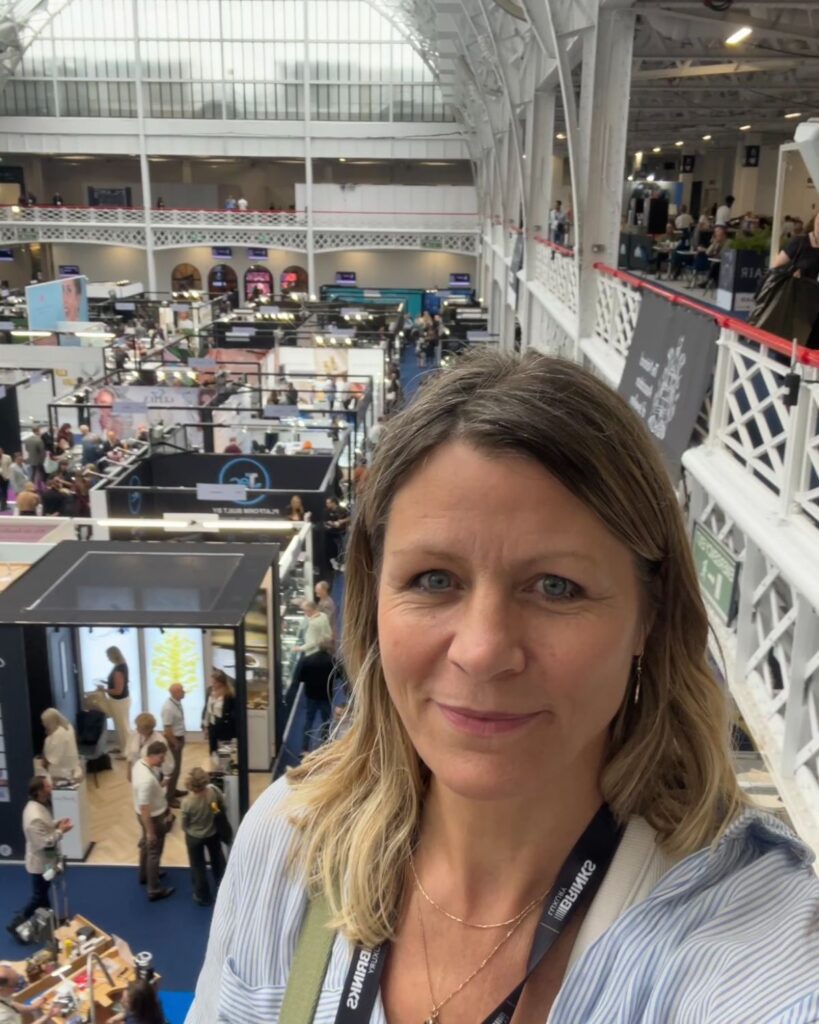
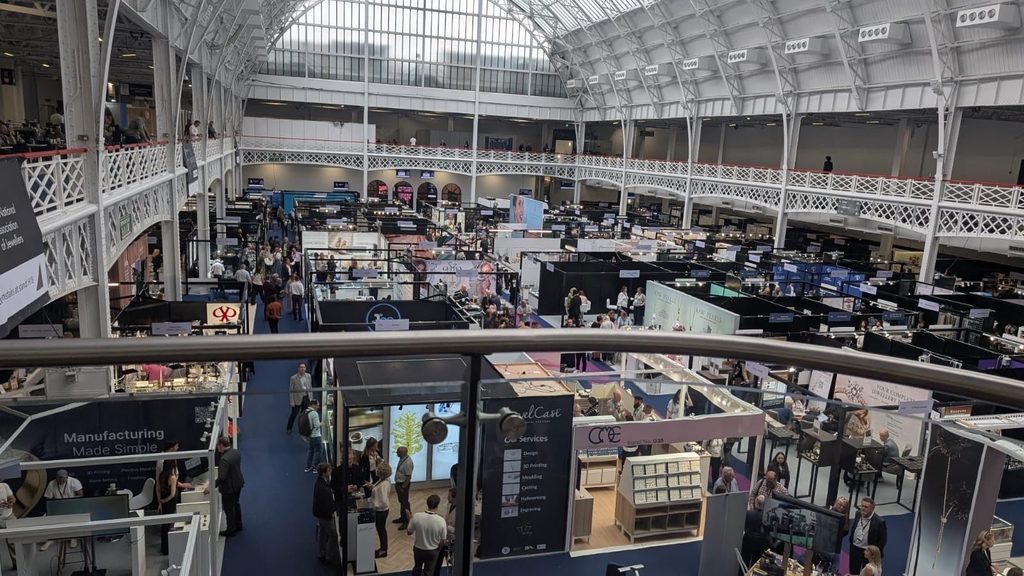
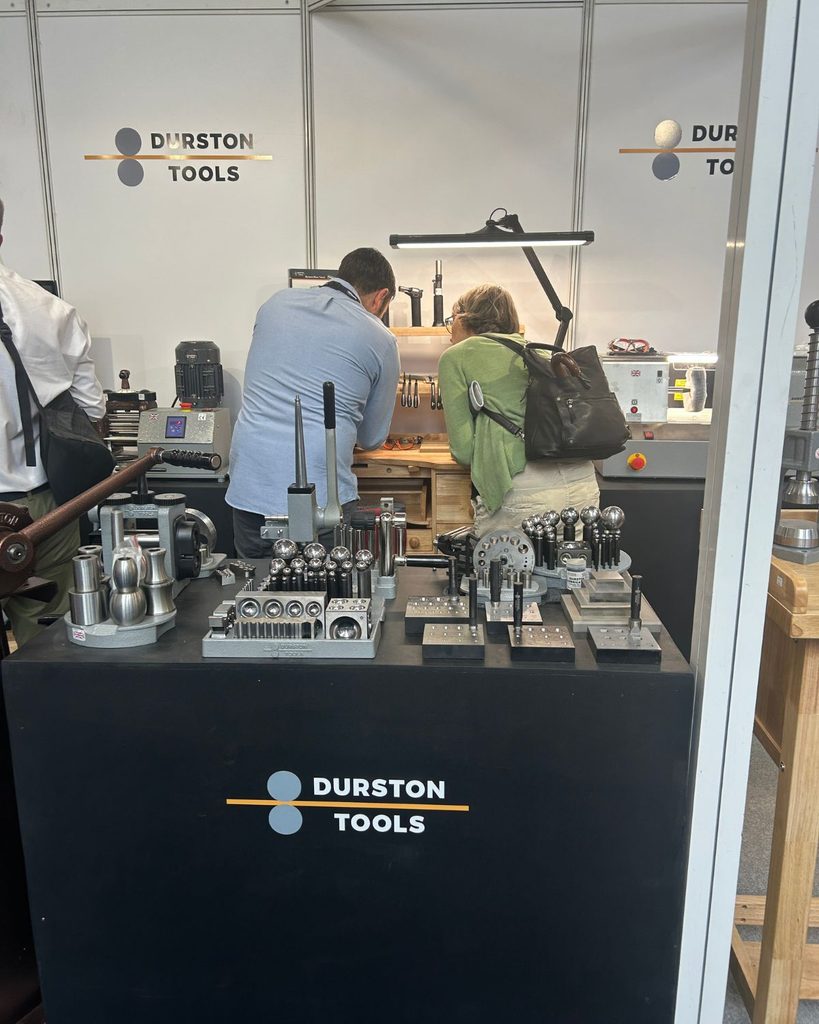
Despite all the technology on display, my favourite part of the day was still the human side of the jewellery trade.
Meeting other artisans. Talking about stones. Comparing techniques. Seeing what people are making and hearing why they make it.
That exchange of knowledge and enthusiasm is difficult to replicate online.
I did prefer the show when it was held at ExCeL, but the atmosphere this year was still excellent, and I came home with plenty to think about.
Perhaps the biggest thought I took away was this:
The future of jewellery will undoubtedly involve more technology — but the pieces we remember will still need character, craftsmanship and a human hand behind them.
That is something I want to keep firmly at the heart of Berg Jewellery
Explore Berg Jewellery- Handmade in-house , with natural gemstones, many cut in house with a focus on character, craftsmanship and individuality.